
In response to questions we have received relating to ongoing media coverage of proposed amphibian rewilding and reintroductions, ARG UK wishes to clarify its position, building on our previous ARG UK Policy Statement Concerning Reintroductions, and pdf ARG UK Advice Note 12 Amphibian and Reptile Reintroduction Guidelines Nov 2024 (updated) (291 KB) .
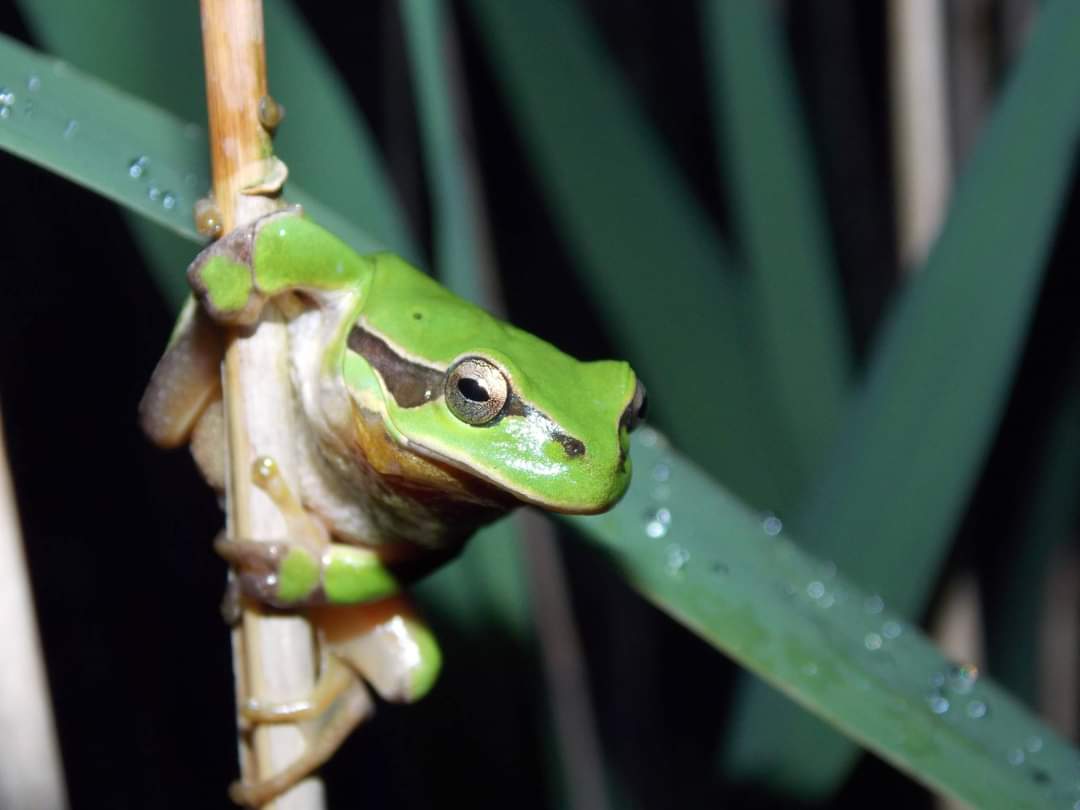
Under section 14 of the Wildlife and Countryside Act 1981, it is illegal to release non-resident species into the wild without a licence. We are aware of ongoing research into the reintroduction potential of several European amphibian and reptile species, but some current proposals are being presented in the media in a way that understates the legal and ecological complexity involved. Species such as moor frogs (Rana arvalis), agile frogs (Rana dalmatina), European tree frogs (Hyla arborea) and European pond terrapin (Emys orbicularis) are not currently resident in the wild in the UK. The European tree frog and European pond terrapin, in particular, are explicitly listed as non-native species on Schedule 9 of the Wildlife and Countryside Act 1981, meaning release into the wild without a licence would be a clear legal offence.
ARG UK is also deeply concerned about the biosecurity risks associated with translocating amphibians and especially releasing stock from captivity into the wild. These risks are particularly worrying given that some coverage of proposed reintroductions in social and traditional media has omitted any discussion of the rigorous biosecurity protocols required, as well as the risks associated with informal or unsanctioned releases. Past disease outbreaks, including ranavirus in UK common frogs (Rana temporaria), demonstrate that both infected animals and associated materials can transmit pathogens, with serious impacts on wild populations. Without strict biosecurity measures and comprehensive disease screening of imported amphibians, or resulting captive-bred stock intended for release, there is a real risk of further disease spread. This includes potential introduction of pathogens not yet present in UK wild amphibian populations.
We remain committed to amphibian conservation that is lawful, evidence-led, and beneficial for truly native UK amphibian species. We believe conservation efforts should prioritise addressing existing habitat and disease pressures, as the introduction of additional species poses potential risks, including increased competition and disease transmission. Additionally, any proposed change to a species’ native status would require legislative updates based on robust evidence, a process that will necessarily take time. Framing reintroductions as rapid, straightforward, or ready-to-go therefore risks misrepresenting both the legal framework and the safeguards designed to protect wildlife. As such, ARG UK urges that all amphibian conservation activity described as rewilding or reintroduction is legally compliant, scientifically robust, transparent about timescales, and prioritises the protection of native UK amphibians from disease and ecological harm.
Image: European tree frog (Hyla arborea) from The Netherlands, copyright Tariq Stark